
Is the Push Towards Net Zero Harming the UK Economy?
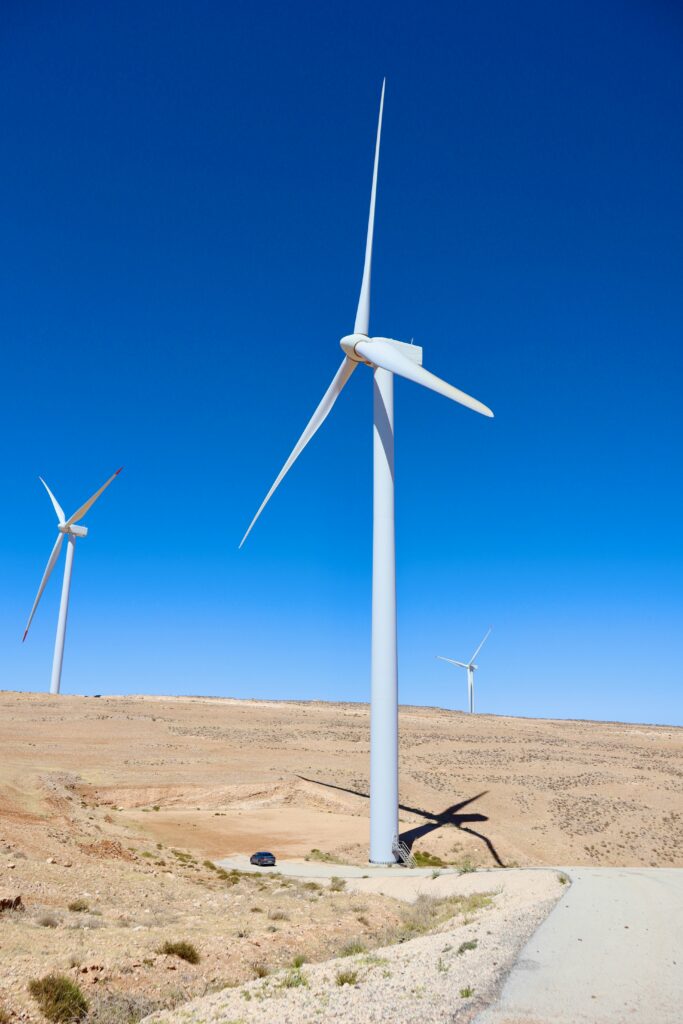
The UK’s commitment to reaching net zero carbon emissions by 2050 has become one of the most ambitious environmental targets in the world. It is a bold statement of intent—positioning the country as a global leader in climate action. But as households face rising energy bills and businesses navigate economic uncertainty, a growing question is emerging:
Is the drive towards net zero helping the UK build a stronger future—or placing too much strain on the economy today?
The Case for Net Zero: Investing in the Future
Supporters of the net zero agenda argue that the transition to a low-carbon economy is not just necessary—it is inevitable.
Climate change is no longer a distant threat. From extreme weather patterns to global supply chain disruptions, its impact is already being felt. For the UK, investing early in green technologies is seen as a way to future-proof the economy while reducing long-term environmental risks.
There is also a strong economic argument. The green economy—renewable energy, electric vehicles, sustainable construction, and clean technology—is rapidly expanding. By committing to net zero, the UK aims to position itself at the forefront of this transformation, attracting investment and creating new industries.
Offshore wind, for example, has already become a major success story, generating jobs and reducing reliance on fossil fuels. Advocates believe that continued investment in green infrastructure could drive innovation, boost productivity, and create thousands of high-skilled jobs across the country.
From this perspective, net zero is not a cost—it is an opportunity.
The Cost of Transition: Who Pays?
However, critics argue that the transition is coming at a significant cost—one that is increasingly being felt by ordinary households and businesses.
Energy prices have been a particular flashpoint. While global factors play a role, the shift away from fossil fuels and the investment required in renewable infrastructure have contributed to rising costs. For many families already struggling with the cost of living, higher energy bills feel like an immediate burden rather than a long-term investment.
Businesses, particularly in energy-intensive industries, face similar pressures. Manufacturing, logistics, and construction sectors must adapt to new regulations, invest in cleaner technologies, and manage rising operational costs. Some argue this risks reducing competitiveness, especially if other countries adopt less stringent climate policies.
There is also concern about timing. Critics question whether the pace of the transition is realistic, arguing that pushing too hard, too quickly could disrupt economic stability.
The Global Context: Acting Alone or Leading the Way?
A key tension in the debate is whether the UK is moving ahead of other nations—and if so, whether that is a strength or a weakness.
On one hand, early action allows the UK to lead, innovate, and set global standards. On the other, if major economies do not move at the same pace, UK businesses could be placed at a disadvantage.
For example, industries relocating to countries with lower environmental standards—a phenomenon often referred to as “carbon leakage”—could undermine both economic and environmental goals. Emissions may simply be shifted elsewhere, rather than reduced globally.
This raises a difficult question: should the UK prioritise leadership, or align more closely with the pace of global competitors?
Public Perception: Support with Reservations
Public opinion on net zero is complex. Many people support the idea of tackling climate change and recognise the need for action. However, support often weakens when policies begin to affect personal finances or daily life.
Measures such as phasing out petrol and diesel cars, upgrading home insulation, or adopting heat pumps can involve significant upfront costs. While long-term savings are often highlighted, the initial financial barrier remains a concern for many households.
This creates a political challenge. Governments must balance long-term environmental goals with short-term economic realities—ensuring that the transition is both effective and socially acceptable.
A Question of Balance
The debate is not simply about whether net zero is good or bad for the economy. It is about how the transition is managed.
A poorly executed transition could lead to higher costs, reduced competitiveness, and public resistance. A well-managed one, however, could unlock new industries, improve energy security, and position the UK as a leader in the global green economy.
Key questions remain:
- Is the pace of change realistic?
- Are the costs being shared fairly?
- And are the long-term benefits worth the short-term sacrifices?
Conclusion
The push towards net zero represents one of the most significant economic transformations in modern UK history. It carries both promise and risk.
For some, it is a necessary investment in a sustainable and prosperous future. For others, it is a costly transition that risks placing undue pressure on households and businesses.
The challenge for the UK is not whether to pursue net zero—but how to do so in a way that strengthens, rather than strains, the economy.
The answer may ultimately depend on whether the transition can deliver not just environmental progress, but economic confidence as well.